.png)
Details
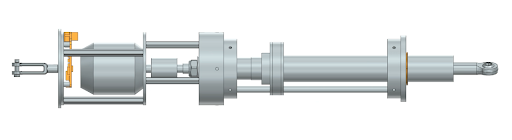
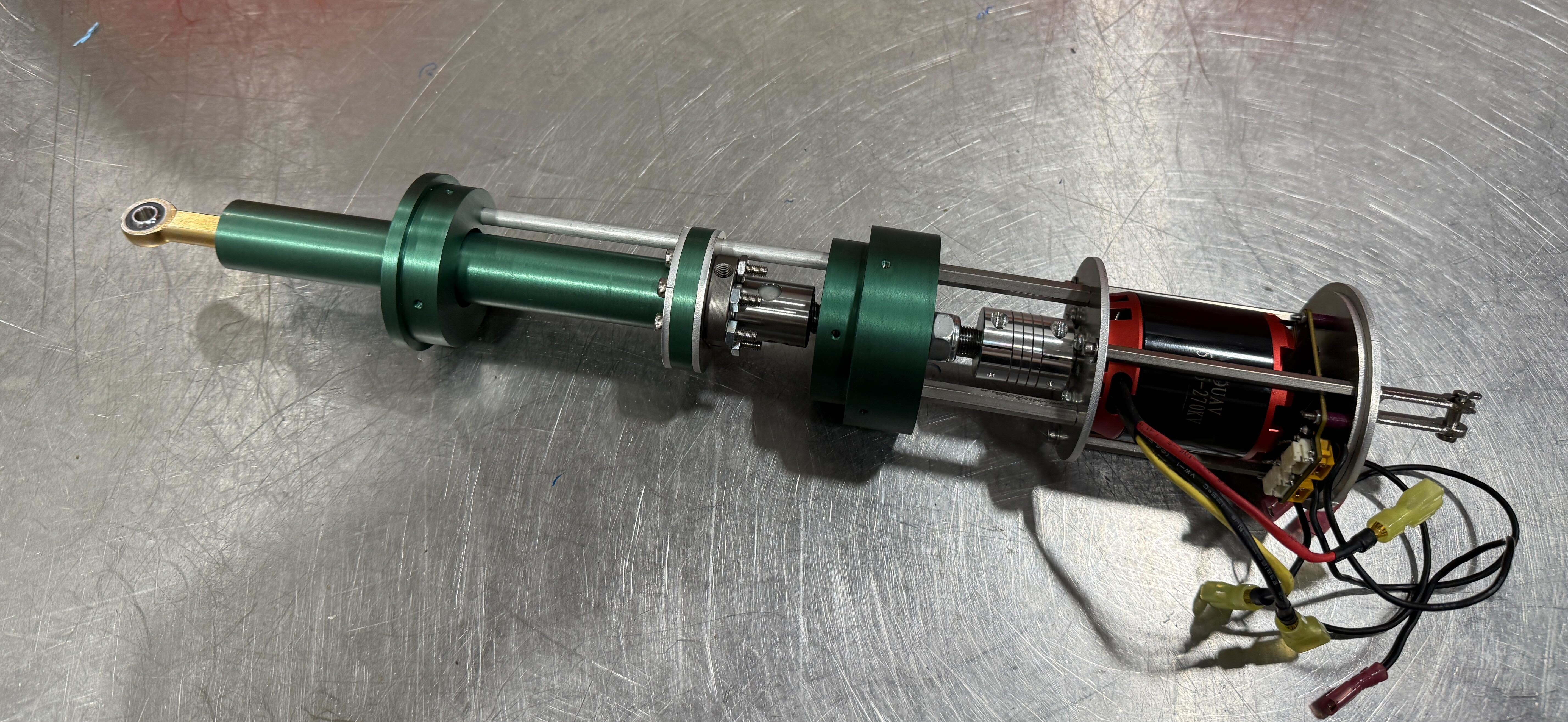
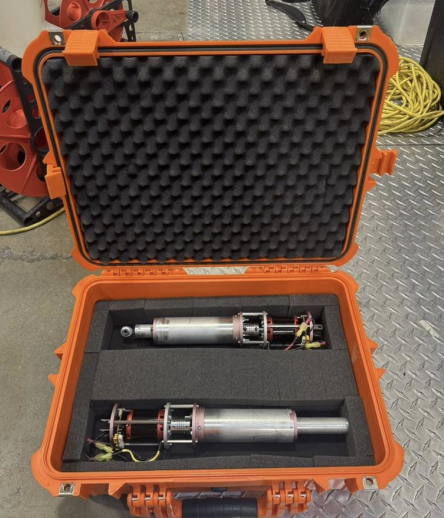
The thrust vector control (TVC) system was LPL's first step into the world of controls in December 2023. The initial proof of concept was built using only COTS parts, and since then, LPL has designed and refined its own in-house linear actuator design. The in-house linear actuator was designed for flight, and is capable of providing 190 lbf per actuator at a speed of 15.5 in/s. Using a combination of COTS and machined parts, this actuator provides flight-ready performance for just a fraction of the cost of most linear actuators on the market. The actuator converts rotational motor output into linear motion using a ball screw mechanism. This architecture enables efficient force transmission with high precision and low friction, allowing the actuator to meet demanding response requirements for vehicle control. A brushless DC motor paired with field-oriented control provides high torque and dynamic response at low speeds, allowing for smooth and accurate positioning of the engine during operation.
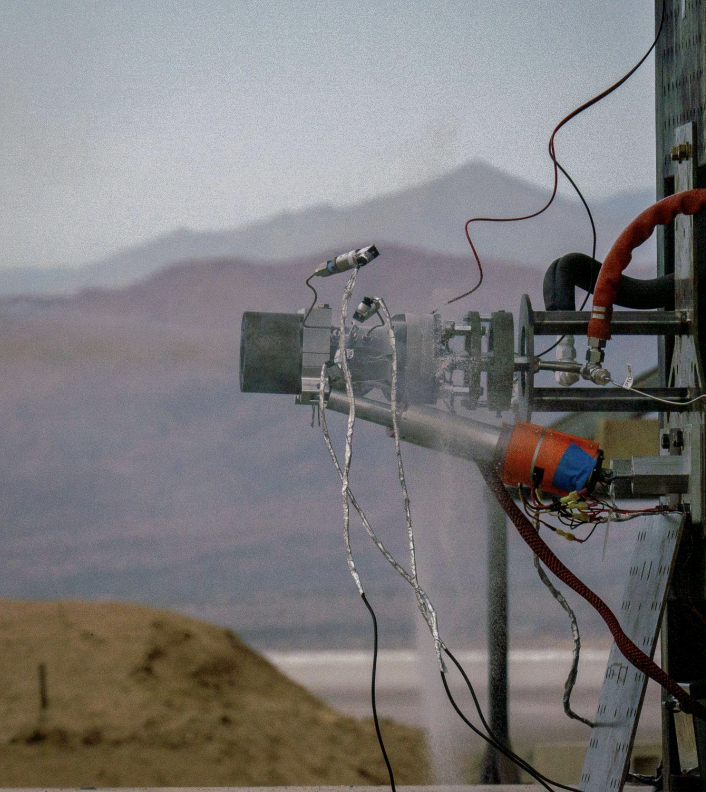
The gimbal design integrates seamlessly with LPL's static fire test stand, Atlas Prime, as well as on the Hopper Vehicle itself, Ranger. It uses a modular ring and leg design to minimize the variability of manufactured parts and allow for easy assembly and disassembly. It relies on a double-shear pin and bearing fastening to allow for a maximum of 12 degrees of motion in the pitch and yaw directions.
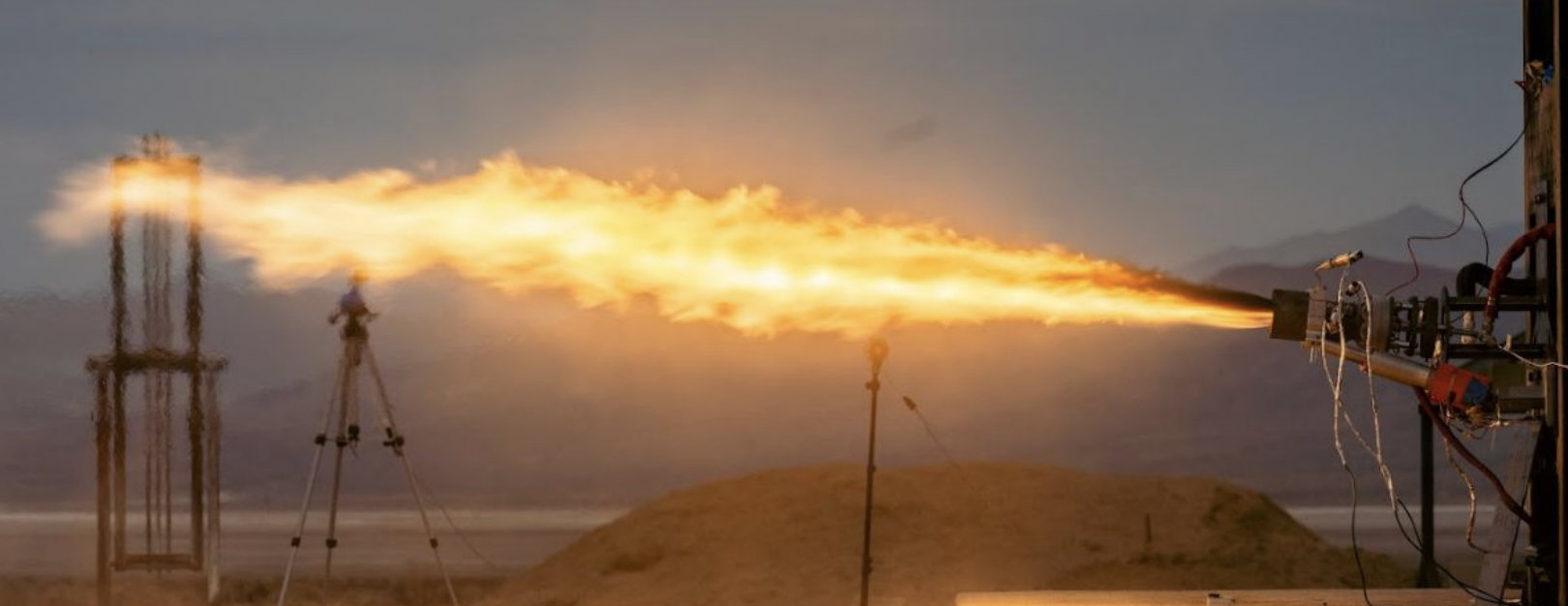
The control loop itself relies on a predetermined lookup table for the actuator lengths and the resulting Thrust Vector angle. The Moteus motor controller uses a CANbus protocol and determines the actuator lengths using the lookup table for a specified thrust vector. A magnetic encoder is used for positional feedback and field-oriented control applications. The TVC system has been hotfire-proven in LPL's May 2025 hotfire with the Jessie & James engine, and recent work has been to improve the actuator design and test with Nomad, the flight engine, for flight-readiness.